
You just spent time washing your vehicle and getting it looking its best. The last thing you want is for water spots, streaks, or scratches to undo all that hard work. While many people focus on the wash process, proper drying is equally important for maintaining a clean, glossy, and well-protected finish.
Why Proper Drying Matters
When water evaporates naturally on your vehicle's surface, it can leave behind minerals and deposits that create unsightly water spots. These spots are especially noticeable on dark-colored vehicles and can become difficult to remove if left untreated.
Using the wrong towel or an improper drying technique can also introduce scratches and swirl marks into your paint.
The goal isn't simply removing water. It's removing water safely and effectively while protecting your vehicle's finish.
Can You Air Dry a Vehicle?
The answer depends on the type of water you're using.
Understanding Deionized (DI) Water
Deionized water has had minerals such as calcium and magnesium removed through a filtration process. These minerals are typically what cause water spots when water evaporates on a vehicle's surface.
A DI water system works by passing water through specialized resin that removes dissolved minerals, leaving behind much purer water. Because those minerals are no longer present, a properly functioning DI water system can allow a vehicle to air dry without leaving behind the deposits that typically cause spotting.
However, even when using DI water, a quick towel dry can still be beneficial. Areas like mirrors, trim pieces, door handles, emblems, and body lines tend to trap water that can drip later. A final wipe helps eliminate these hidden pockets of moisture and delivers a cleaner final result.
Choosing the Right Drying Towel

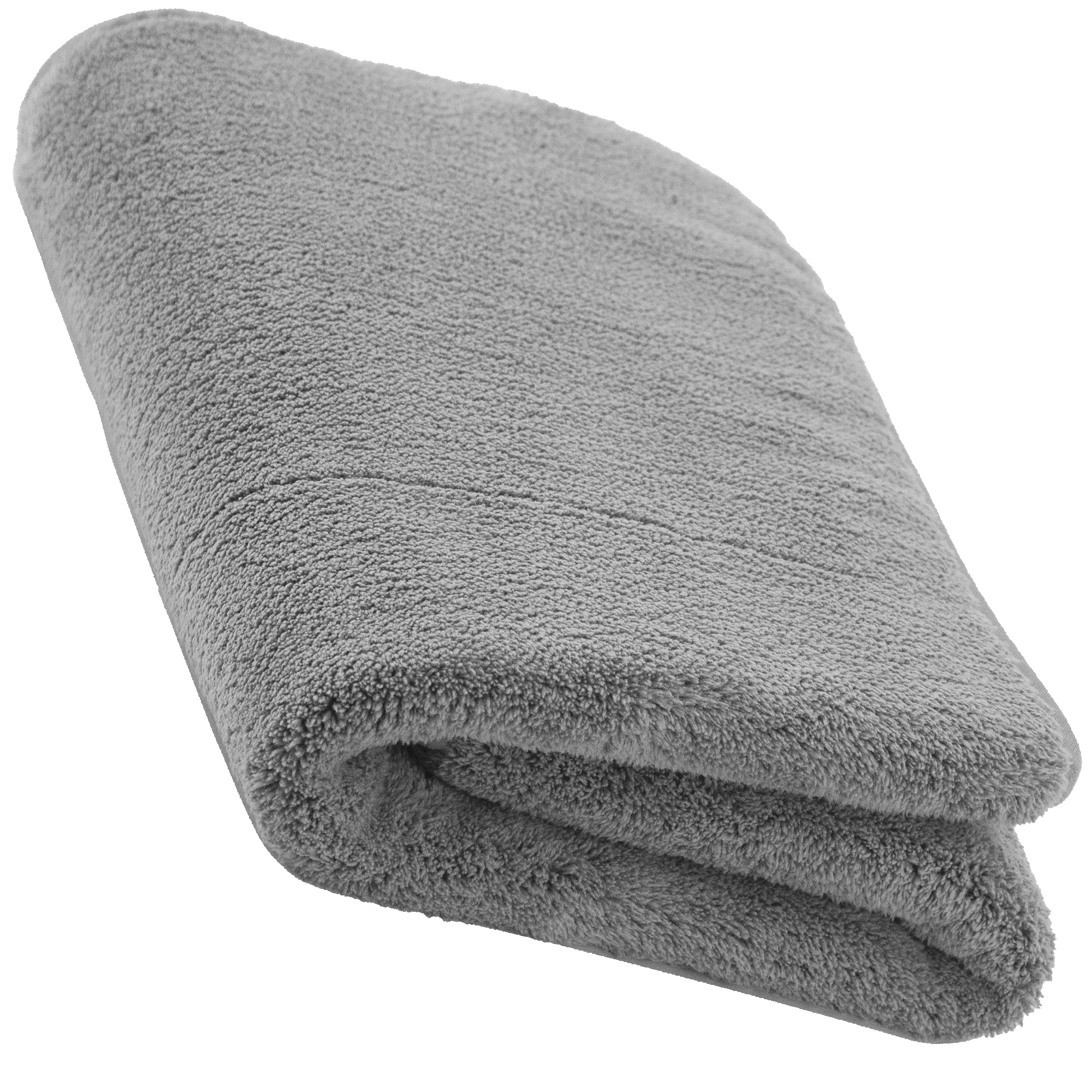
For most vehicles, a quality microfiber drying towel is the best tool for the job. But, not all microfiber towels are created equal, so it's important to understand what separates a quality drying towel from a basic cleaning towel.
Most premium microfiber towels are made from a blend of polyester and polyamide. Common blends include: 80/20, 85/15, and 88/12.
These combinations provide an effective balance of: softness, durability, and absorbency.
If you've researched microfiber towels, you've probably seen the term GSM. GSM stands for Grams per Square Meter and measures the density of the towel. Generally speaking:
- Higher GSM towels are thicker.
- Thicker towels hold more water.
- More absorbency means less pushing water around the surface.
Typical GSM Ranges include:
- 250-400 GSM: Great for interiors, Ideal for glass cleaning, Useful for quick detail sprays
- 800-1200 GSM: Excellent for vehicle drying, High absorbency, Reduces the need for excessive wiping
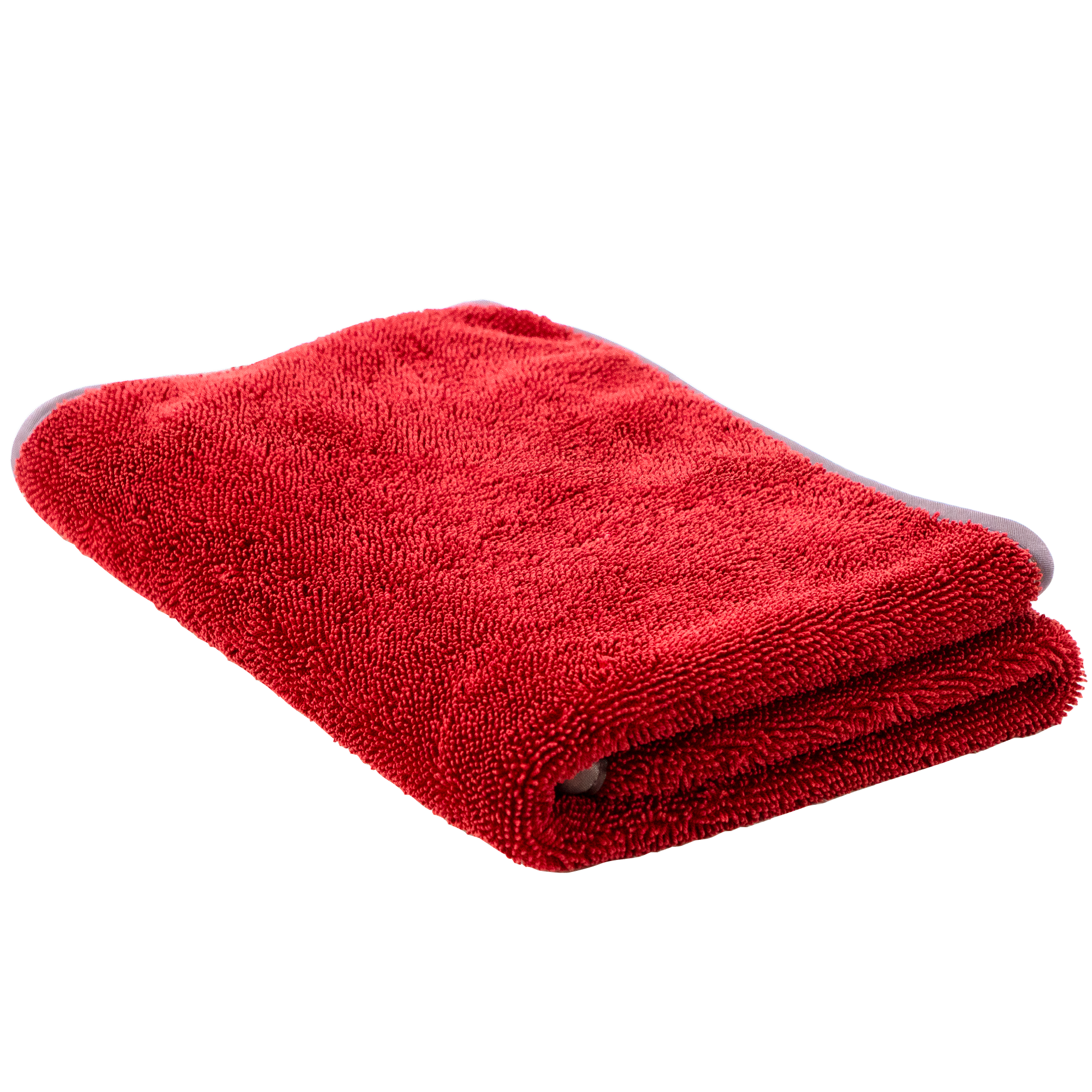
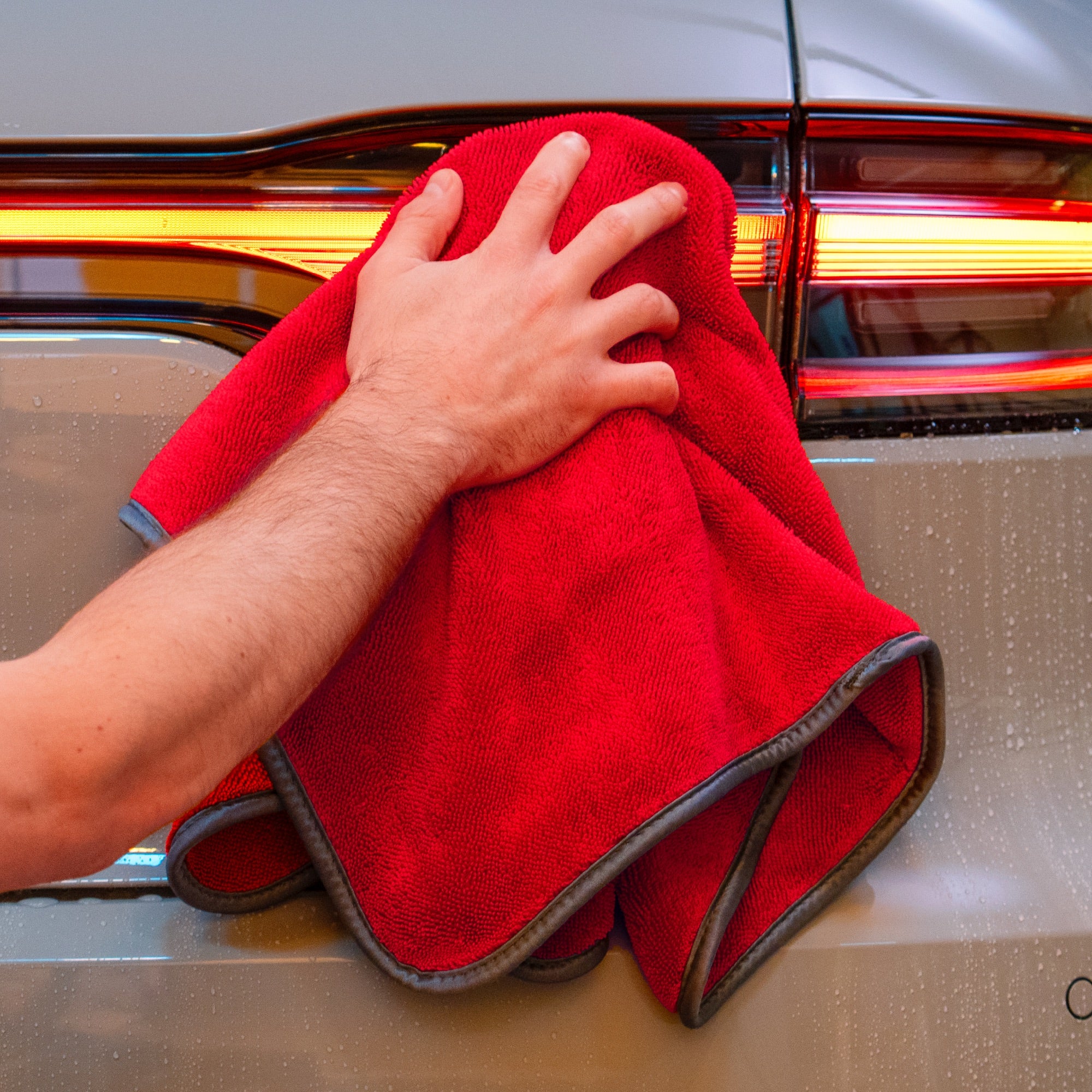
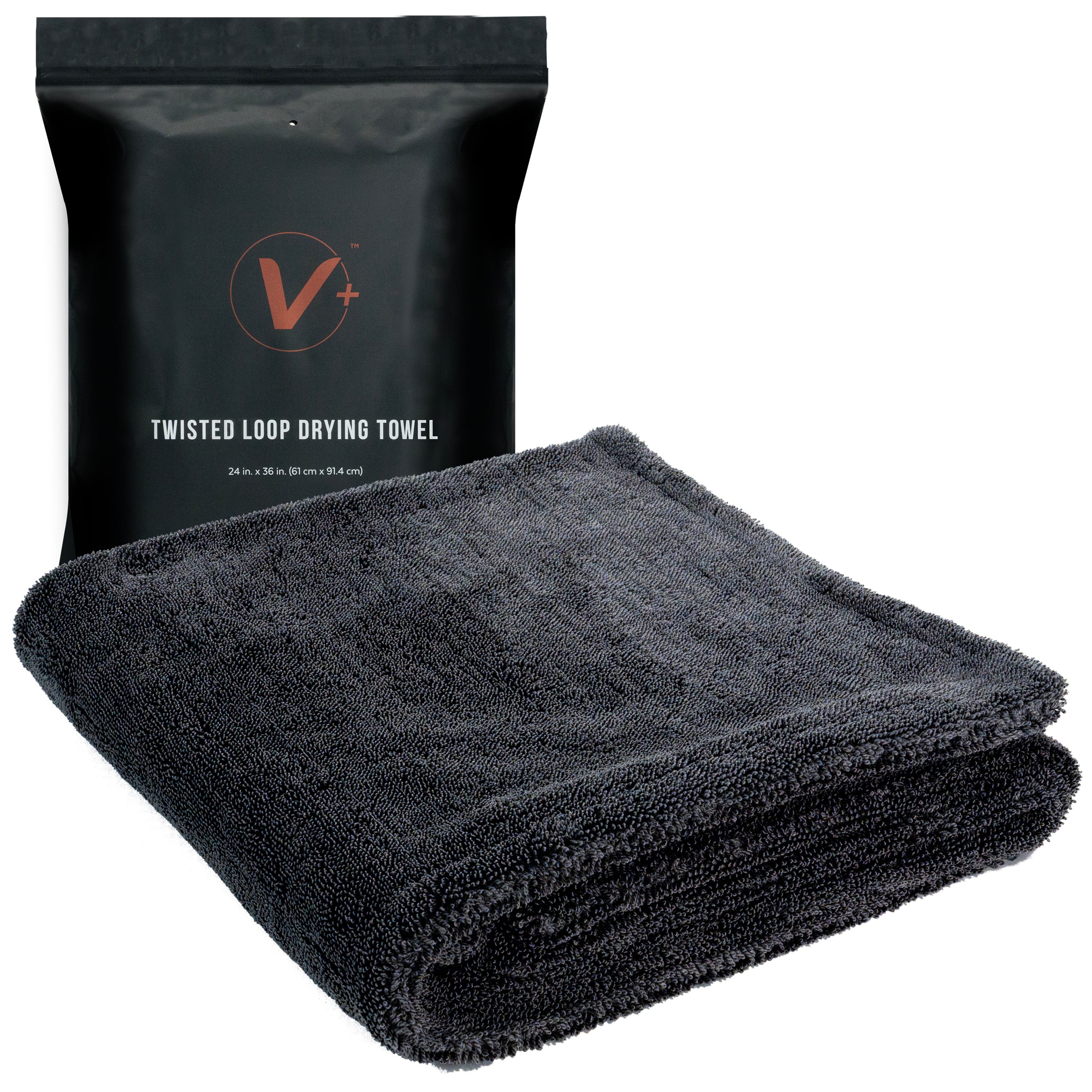
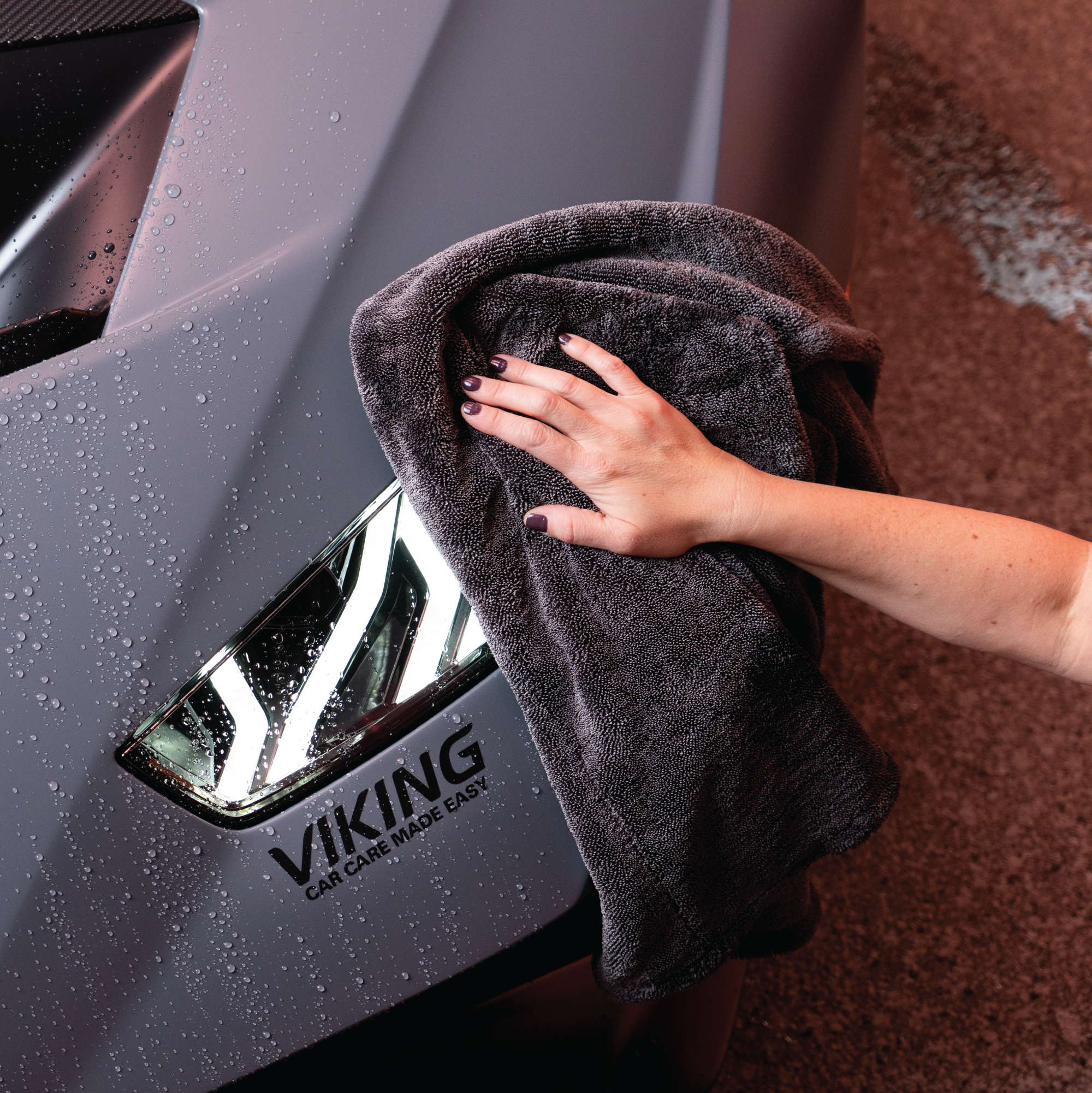
One of the most popular drying towel styles today is the twisted-loop microfiber towel. The twisted fibers create additional surface area, allowing the towel to absorb water quickly while gliding smoothly across painted surfaces. Benefits of twisted-loop towels include: excellent absorbency, reduced drag on paint, faster drying performance and safer contact with delicate finishes.

Even the best microfiber towel can damage paint if it's contaminated with dirt or debris. Before every wash, inspect your drying towel and ensure it is clean, free of contaminants, and properly maintained.
Step-by-Step Vehicle Drying Process
Step 1: Start at the Top. Just like washing, begin drying from the top of the vehicle and work downward. Start with:
- Roof
- Glass
- Hood
- Around the vehicle
Step 2: Let the Towel Do the Work. A quality drying towel should do most of the work for you.
Avoid: Scrubbing, Excessive pressure, Aggressive wiping
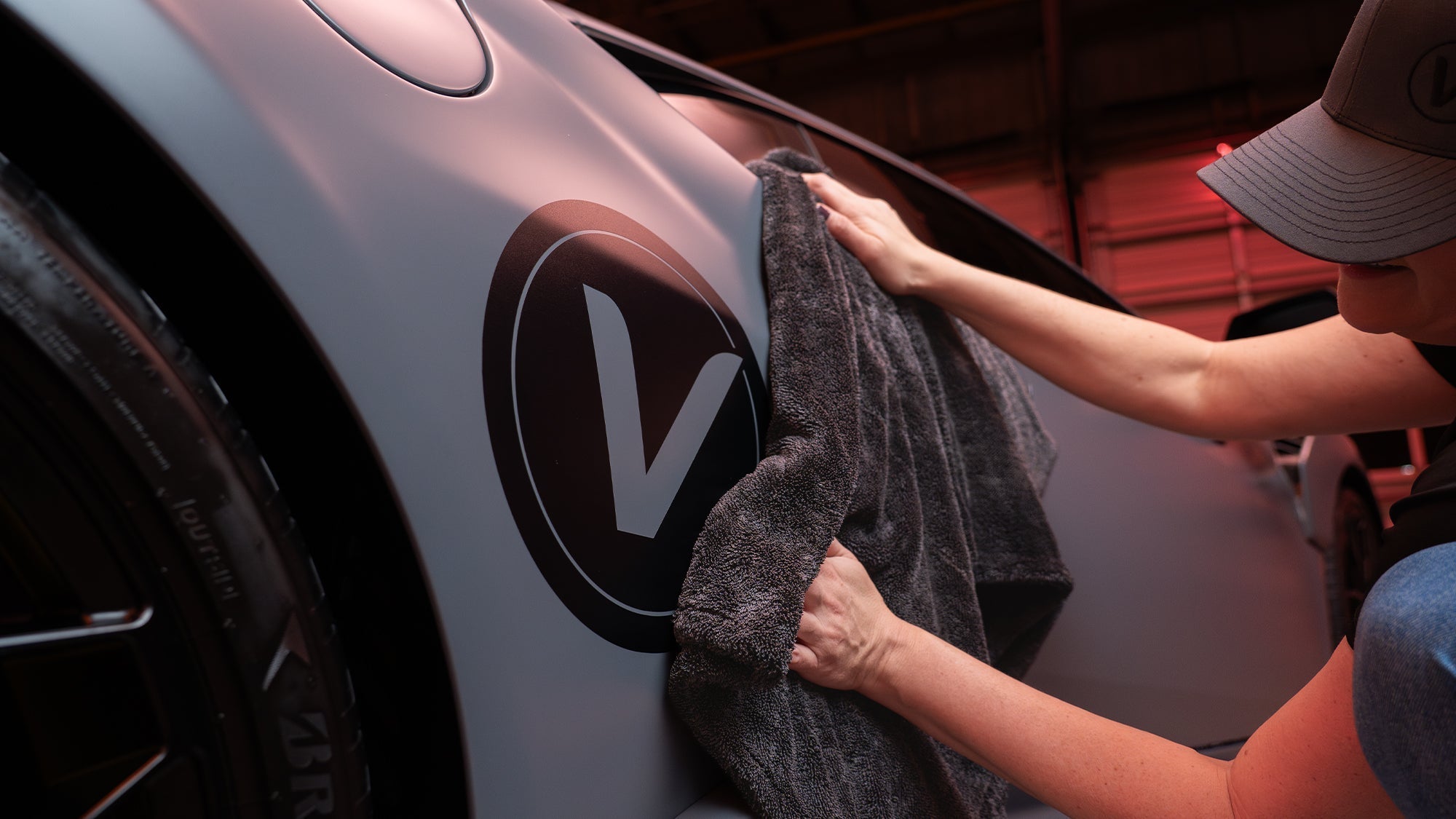
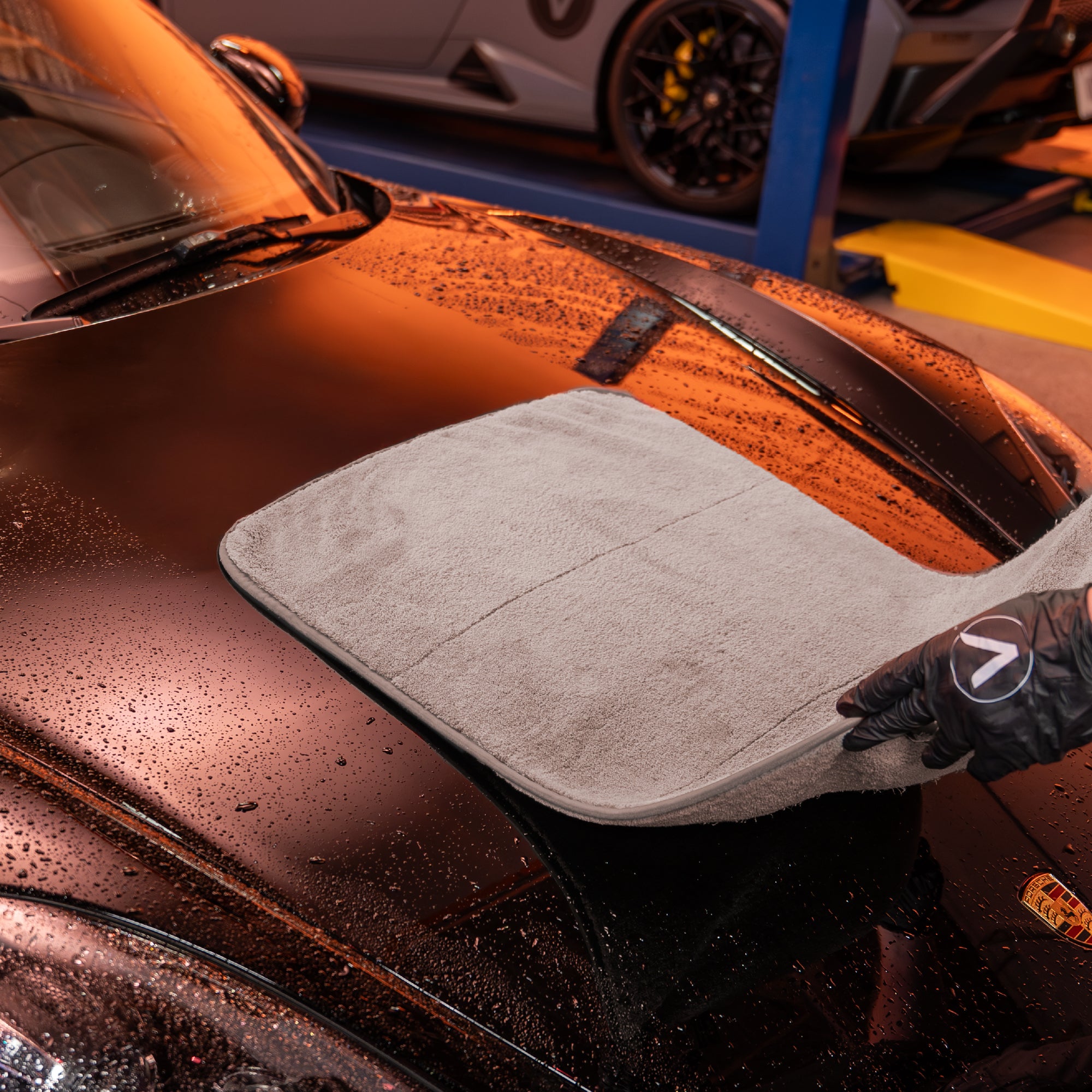
Instead, place the towel flat on the surface and gently pull it across the panel. If the vehicle is protected and water is beading well, the towel may absorb most of the water with little effort.
Step 3: Work Panel by Panel. Focus on one section at a time. A simple approach is:
- Roof
- Windows
- Hood
- Trunk
- Side panels
Working methodically helps you: avoid missing areas, track progress easily and maintain consistent drying results.
How to Dry More Efficiently
Want to speed up the process? Use a Larger Drying Towel. Larger towels cover more surface area and absorb more water, helping you complete the job faster.
For larger cars, trucks, or SUVs, keeping a second drying towel nearby is always a good idea.
Use the Sheeting Method
Before reaching for a towel, remove your hose nozzle and allow water to flow freely across the panels. This technique, known as sheeting, works because water naturally wants to stick to itself. As the stream flows across the vehicle, it pulls standing water off the surface. Benefits of sheeting include: less water remaining on the vehicle, faster drying times and less towel contact with paint.
Consider Using a Drying Aid
Many detailers use a drying aid during the drying process. Popular drying aids include quick detailers, spray waxes and spray sealants.
These products can: add lubrication between the towel and paint, reduce streaking, improve gloss, and leave behind added protection.
A light mist on each panel before drying can make the towel glide more smoothly across the surface.
Using Household Towels
Avoid using: Bath towels, Shop towels, old household towels. These materials are not designed for automotive finishes and can scratch paint.
Applying More Pressure
If your drying towel stops absorbing water, don't press harder. Instead:
- Switch to a clean side
- Grab a second towel
- Replace saturated towels as needed
Don't Skip the Final Inspection
Once the paint appears dry, take a quick walk around the vehicle. Pay special attention to: mirrors, trim pieces, door handles, emblems and body lines.
These areas commonly trap water that can drip later and leave streaks. For even better results, use a small blower to remove trapped water from hard-to-reach areas before putting the vehicle away.
Key Takeaways
A proper drying process doesn't need to be complicated. Follow these simple guidelines:
- Use a quality microfiber, 800-1200 GSM, drying towel
- Start at the top and work downward
- Let the towel do the work
- Dry one section at a time
- Use water sheeting to reduce standing water
- Consider a drying aid for added lubrication and gloss
- Switch to a fresh towel when needed
- Check mirrors, trim, and body lines before finishing
Taking a few extra minutes during the drying process helps prevent water spots, reduces the risk of scratches, and keeps your vehicle looking its absolute best.