Can You Wash Your Car Without a Hose?
Yes—waterless and rinseless car washing methods allow you to safely clean your vehicle without a traditional hose and rinse setup, when used correctly.
Both are designed for lightly dirty vehicles and rely on proper techniques and chemical makeup to reduce the risk of scratching.
Key Takeaways
- Waterless = Spray, wipe, done.
- Rinseless = Bucket wash with minimal water, no final rinse.
- Always use products specifically formulated for each method.
- Waterless is best for light contamination; rinseless handles more dirt.
- Proper lubrication and technique help protect your paint.
What Is a Waterless Car Wash?
A waterless car wash is a cleaning method that uses a specially formulated waterless wash solution and microfiber towels to safely clean a vehicle without using a hose or rinse step.
It’s important to use a product specifically formulated and labeled as a waterless wash. These formulas contain specialized cleaners and high-lubricity ingredients that help loosen, encapsulate, and lift light dirt, allowing it to be safely wiped away without the need for water.
Best for:
- Light dust and fingerprints
- Quick maintenance cleaning
- Spot cleaning between washes
What Is a Rinseless Car Wash?
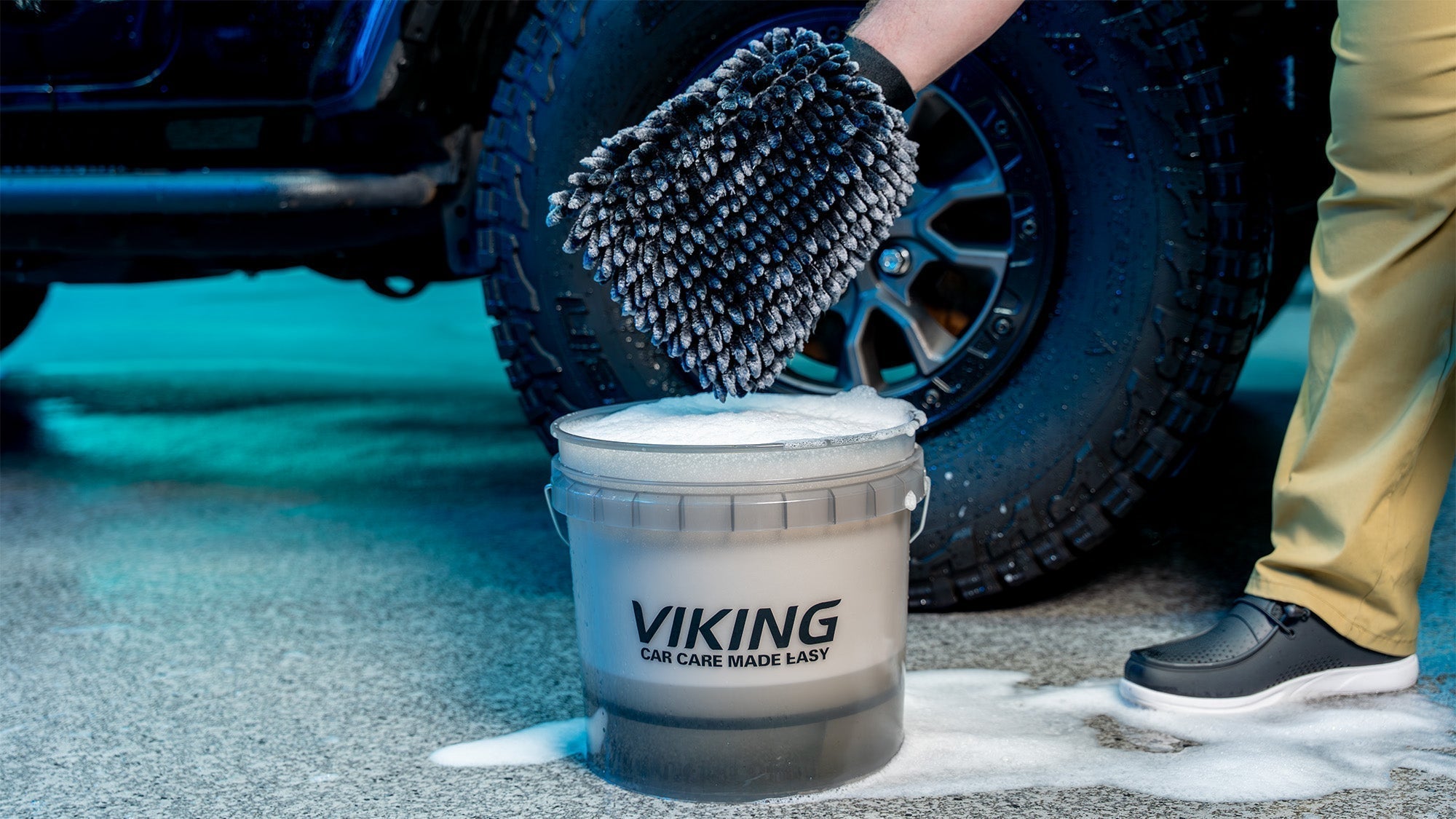
A rinseless car wash uses significantly less water than a traditional wash while still providing the lubrication needed to safely clean the vehicle. The process consists of two key components:
- A bucket containing a mixture of water and a specially formulated rinseless wash solution.
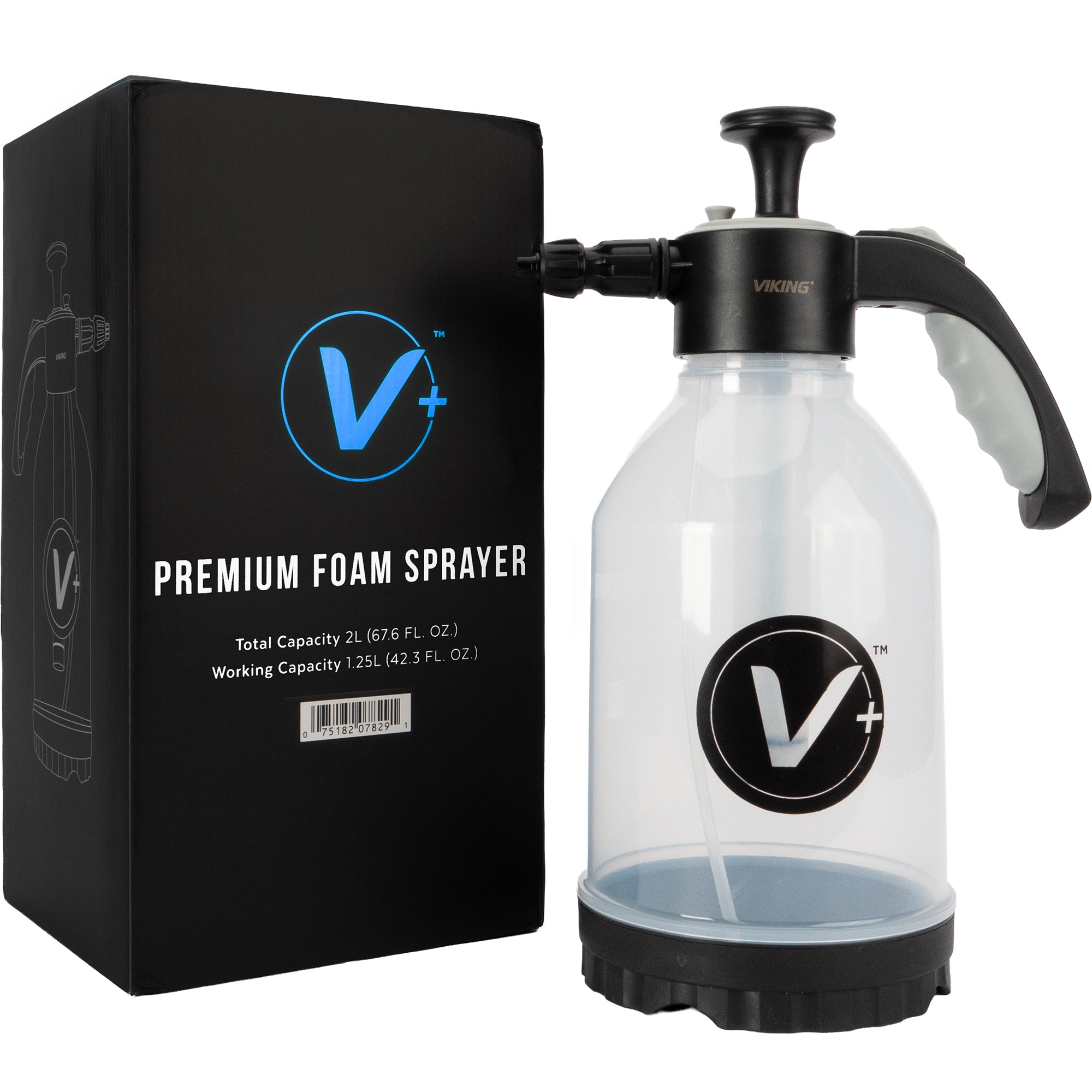
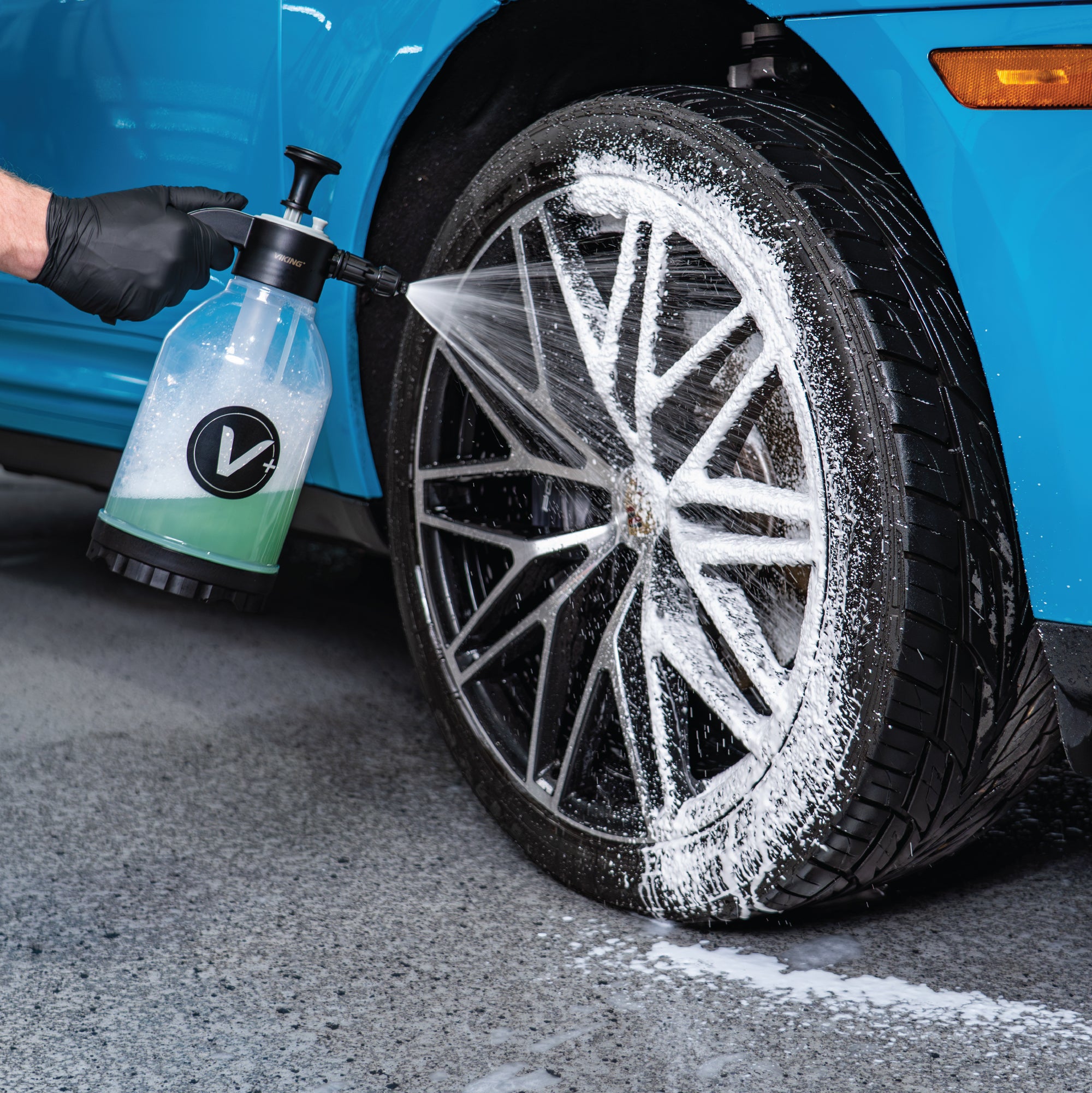
- A spray bottle filled with the same mixture to pre-treat the vehicle's surface before washing.
As with a waterless wash, it's important to use a product specifically formulated and labeled as a rinseless wash. These formulas contain specialized surfactants and lubricants that encapsulate dirt, allowing it to be safely lifted from the surface while minimizing the risk of scratching.
Best for:
- Moderately dirty vehicles
- Routine maintenance washes
- Areas where traditional hose washing isn't practical
Waterless vs. Rinseless: Side-by-Side Comparison
| Feature | Waterless Wash | Rinseless Wash |
|---|---|---|
| Water usage |
None |
Low |
| Tools needed |
Waterless wash + microfiber towels |
Bucket + grit trap + microfiber towels + rinseless solution + spray bottle |
| Cleaning power |
Light dirt |
Light to moderate dirt |
| Process |
Spray and wipe |
Wash with soaked microfiber towels |
| Best use case |
Quick touch-ups |
Full maintenance wash |
When Should You Use These Methods?
Both methods work best on lightly dirty vehicles, including:
- Dust
- Pollen
- Light road film
Avoid Using These Methods When:
- The vehicle is heavily soiled
- Mud or grime is present
In these cases, a traditional wash is the safer choice.
Why Waterless and Rinseless Washing Works
Both methods rely on high lubrication formulas that:
- Help encapsulate dirt
- Reduce friction during wiping
- Lift particles away from the surface
Coaching insight: The safety of these methods depends on technique as much as chemical makeup

How to Do a Waterless Car Wash
What You’ll Need
- Waterless wash spray
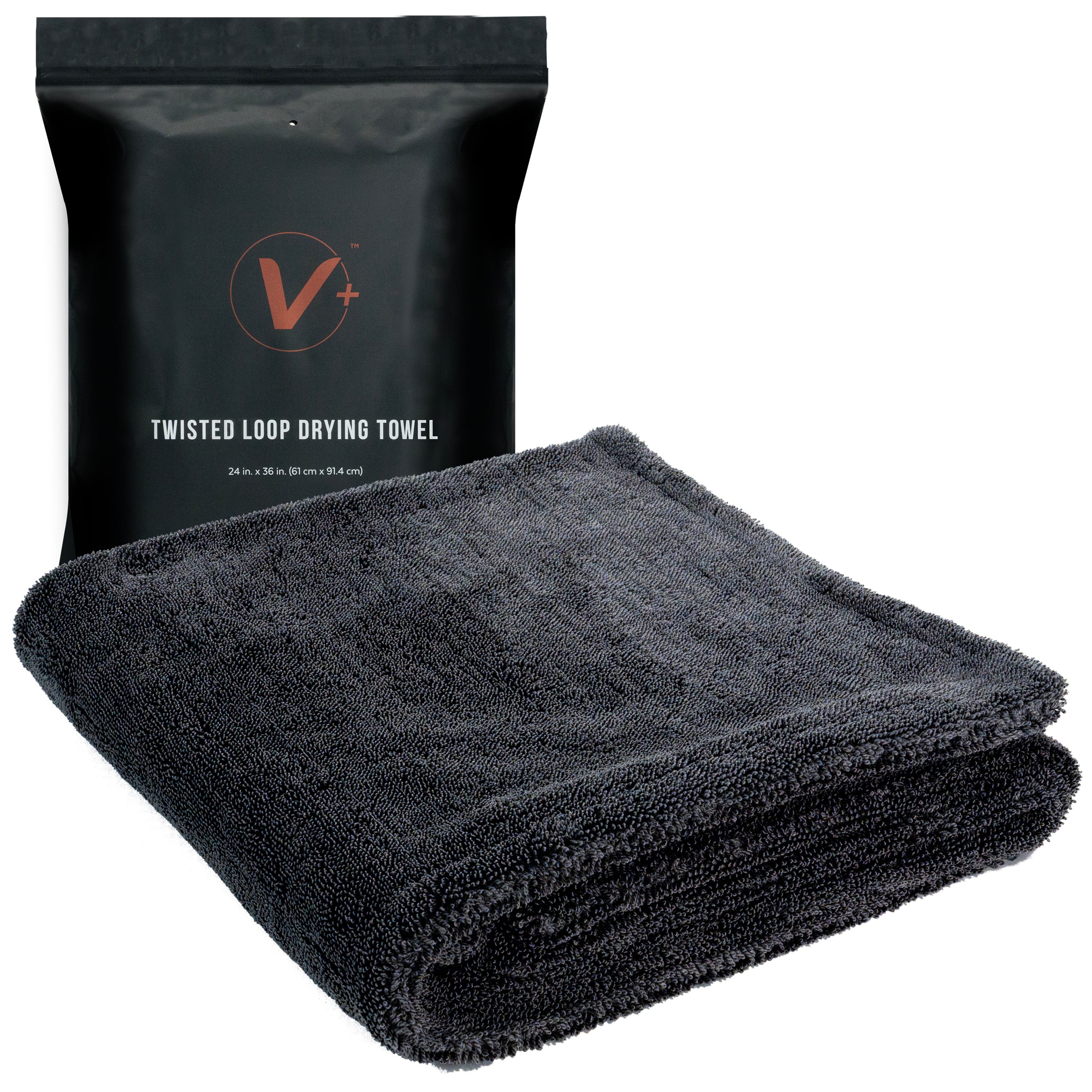
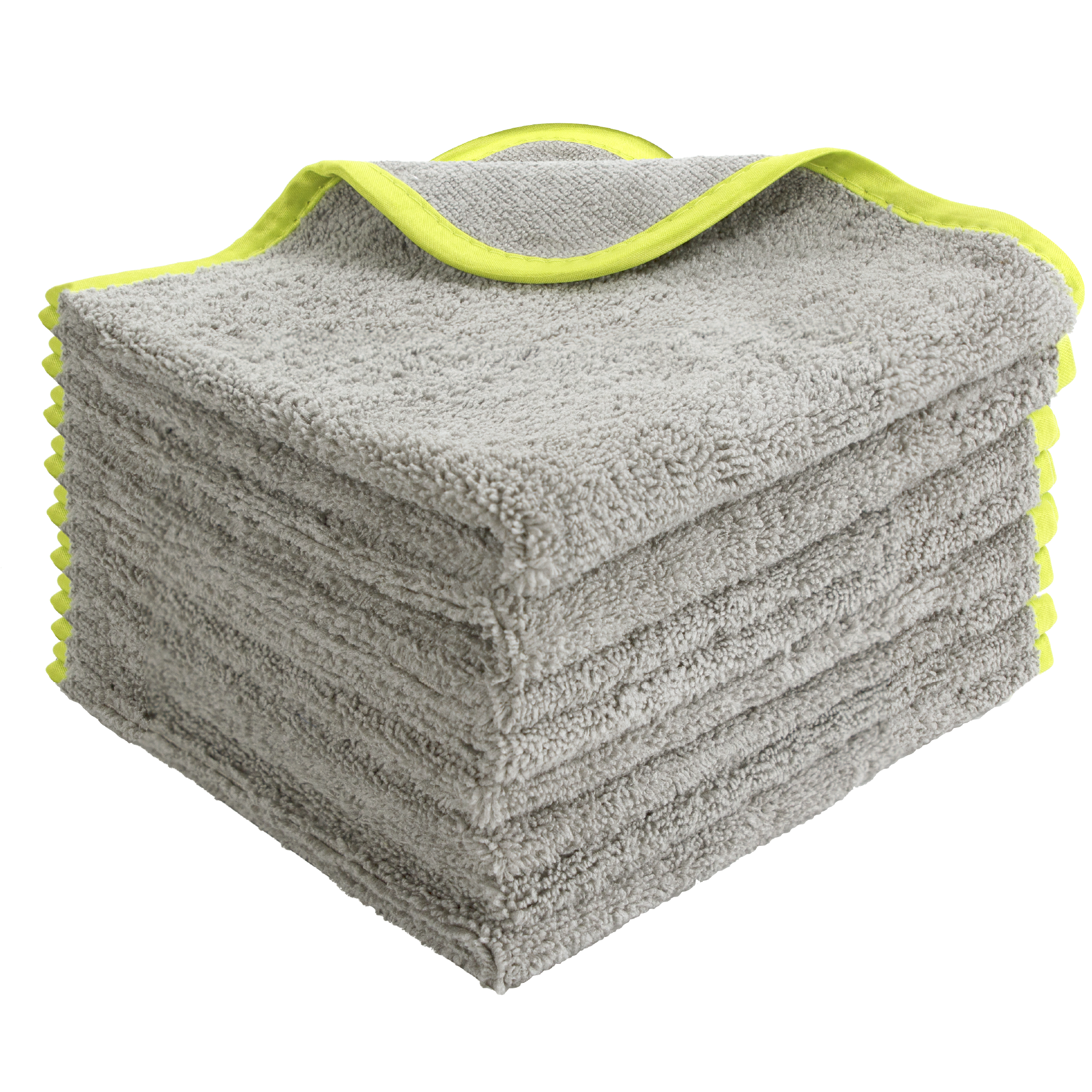
- Plush microfiber towels (high GSM recommended)
Step 1: Spray Generously
Apply enough product to fully lubricate the panel.
- Work one section at a time
- Avoid spraying the entire car at once
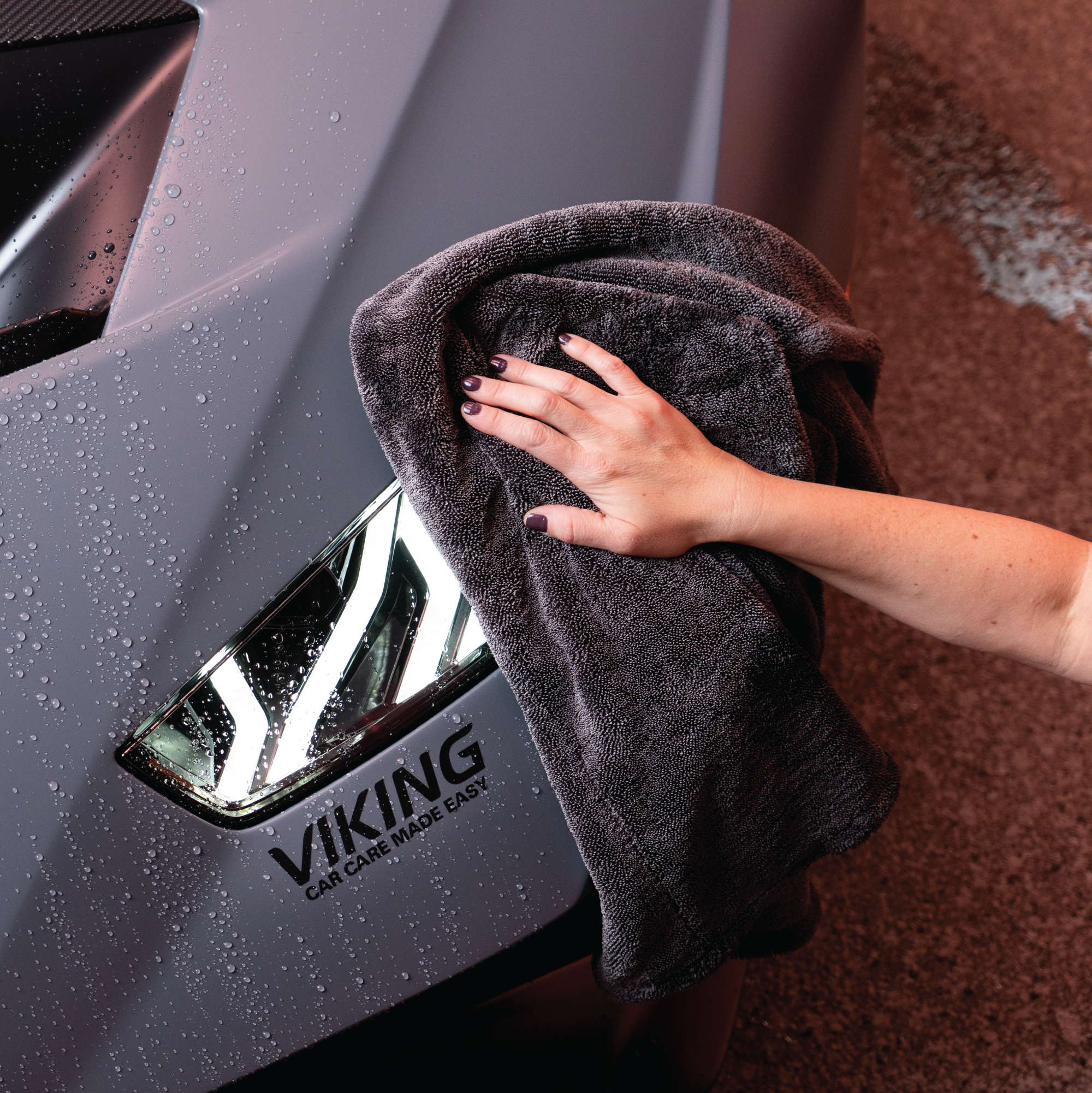
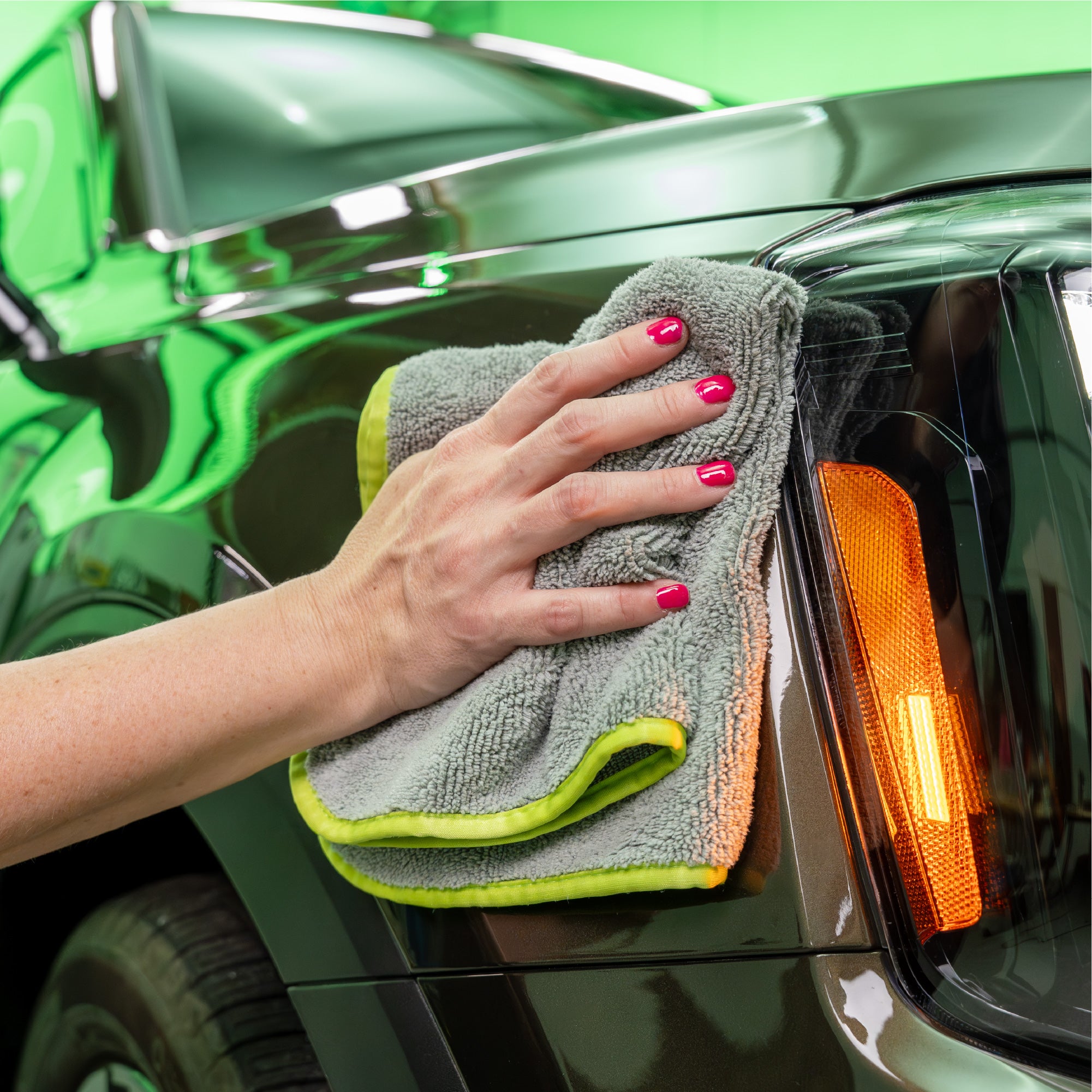
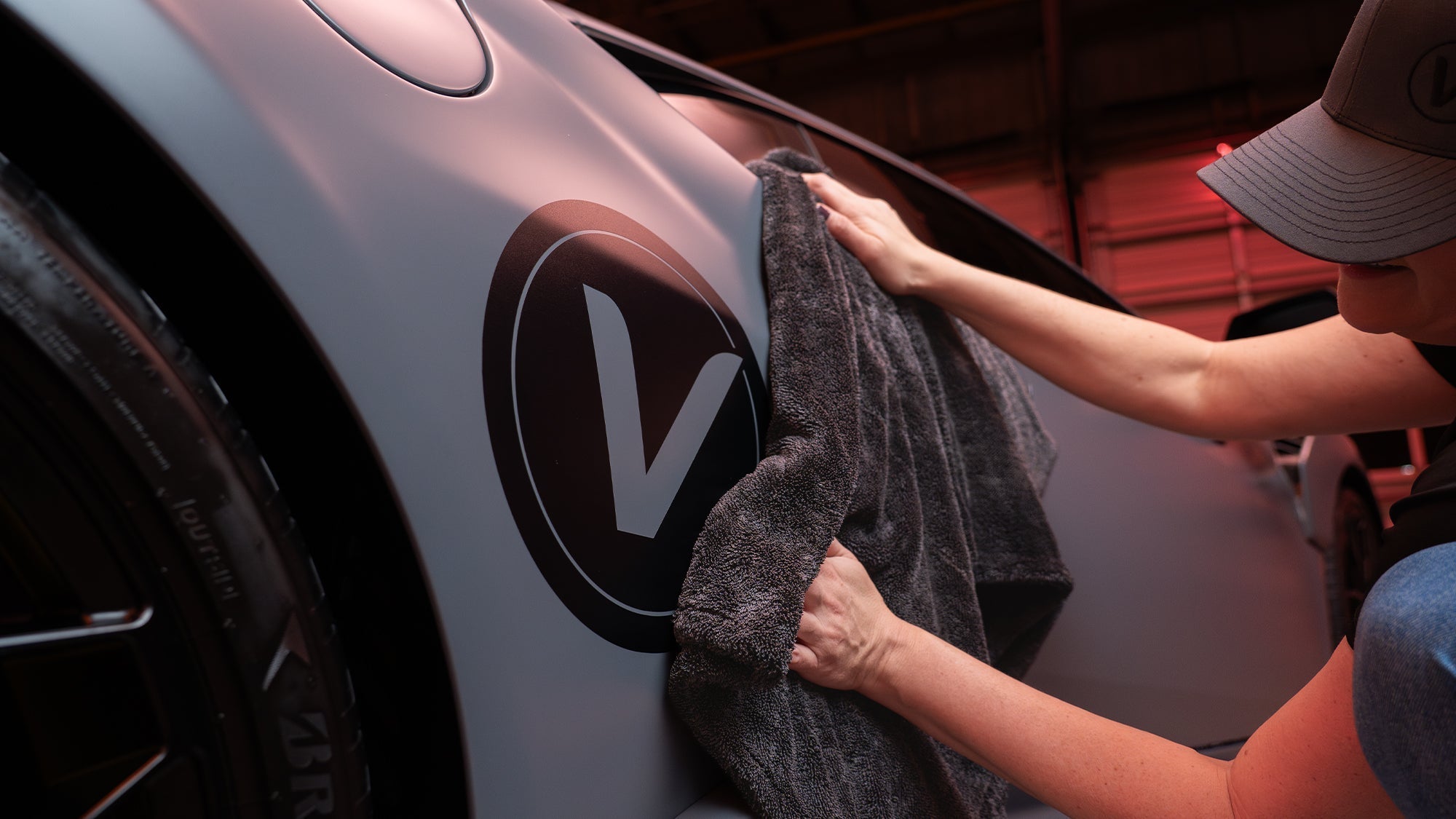
Step 2: Wipe in Straight Lines
Use light pressure and straight-line motions.
- Keep the towel’s leading edge slightly lifted
- Avoid scrubbing
Step 3: Flip Towels Frequently
Fold towels into quarters for multiple clean sides.
- Switch sides as soon as they become dirty
Step 4: Final Buff
Use a second clean towel to remove any remaining residue and buff the surface.

How to Do a Rinseless Car Wash
What You’ll Need
- Bucket with rinseless solution and water
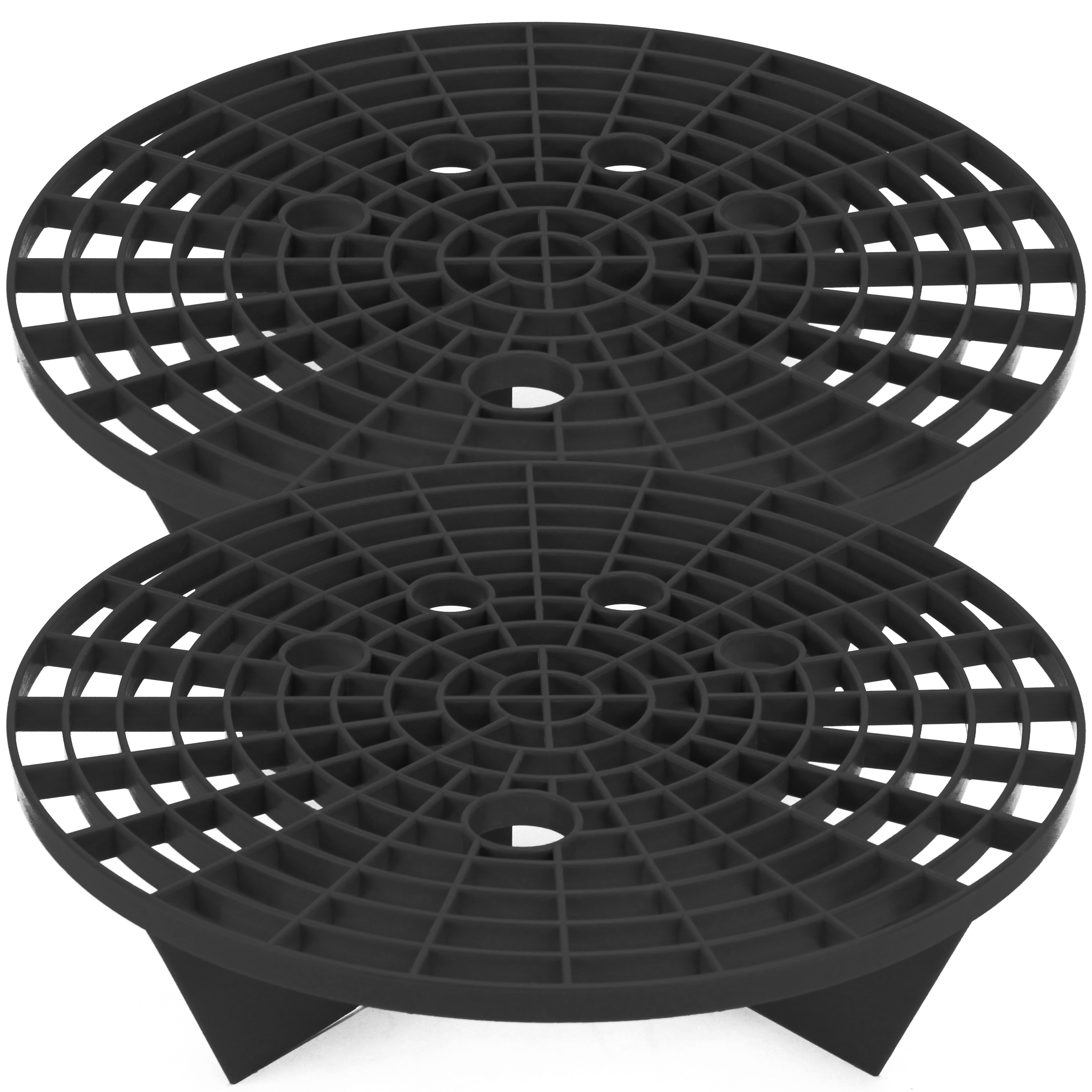
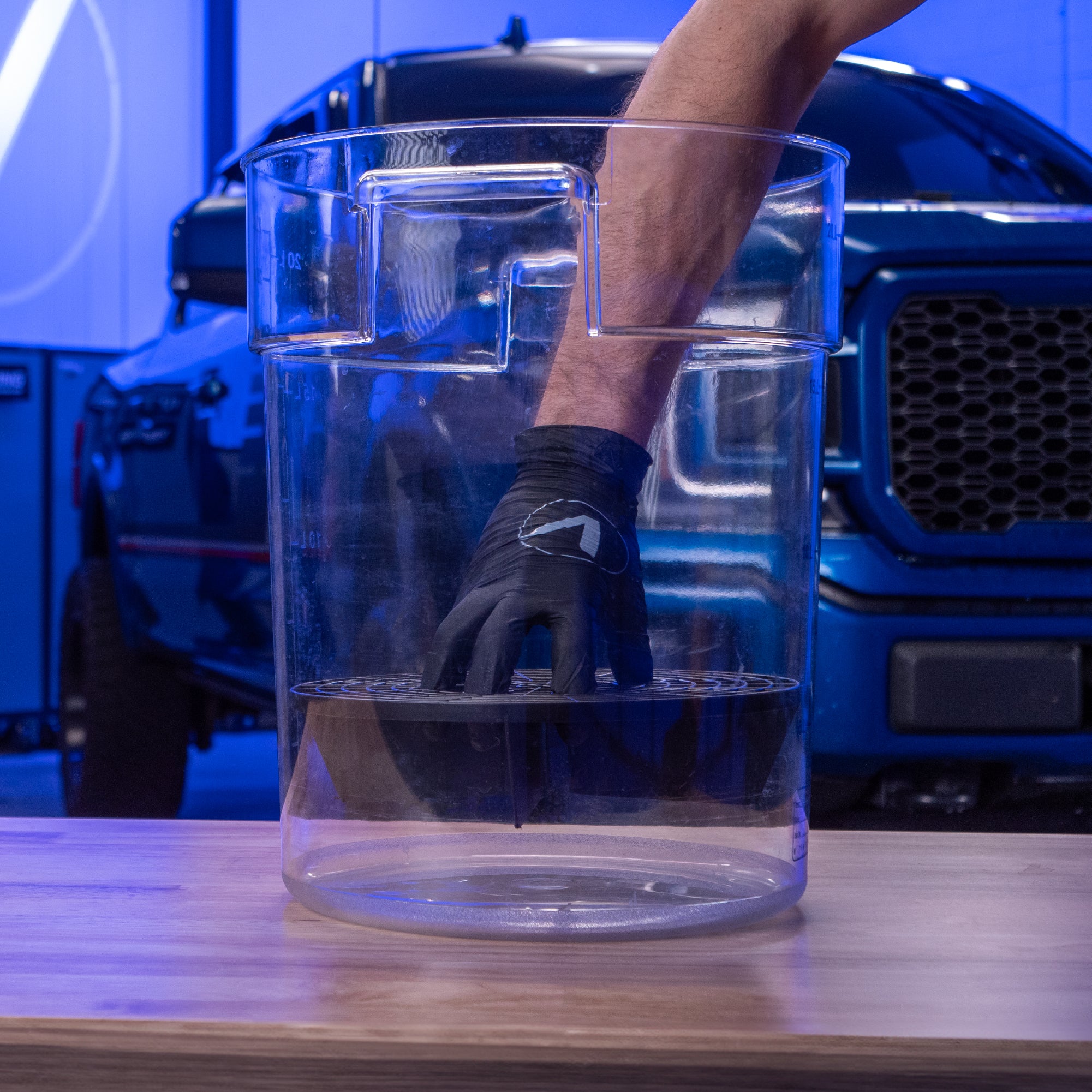
- Bucket insert grit trap
- Spray bottle containing the same solution and water formulated in the bucket
- 6–10 microfiber towels
- Drying towel
- Dirty towel bin
Step 1: Pre-Soak the Surface
- Soak towels fully in solution
- Pre-spray the panel for added lubrication
Step 2: Wash One Section at a Time
- Use straight-line motions
- Start from the top and work down
Step 3: Rotate Towels Often
- Fold towels into quarters
- Switch to a clean side frequently
Important: Never return dirty towels to the wash bucket.
Step 4: Dry Immediately
Dry each section as you go to prevent streaking or water spots.

Who Should Use Waterless or Rinseless Washing?
These methods are ideal for:
- Apartment or condo residents
- Car owners without hose access
- Drivers maintaining already clean vehicles
- Anyone looking to reduce water use
Common Mistakes to Avoid
- Using these methods on heavily dirty vehicles
- Not using enough product (lack of lubrication)
- Reusing dirty towels on the paint
- Rushing the process

Final Thoughts: Choosing the Right Method
Both methods offer a practical way to maintain your vehicle between full washes:
- Choose waterless wash for quick cleanups and spot cleaning
- Choose rinseless wash for a more complete maintenance wash
With the right products, quality microfiber towels, and proper technique, both can help you clean your vehicle safely and efficiently without a traditional wash setup.