You can wash your car perfectly, polish the paint, and clean the wheels—but if your tires still look brown and faded, the entire vehicle looks unfinished. Many people assume that brown tires mean the rubber is old or worn out, so they try to fix it by applying more tire shine. Unfortunately, that often makes the problem worse.
The real solution starts with understanding how to clean tires properly and why that brown discoloration appears in the first place.
Why Do Tires Turn Brown?
That dull, brown appearance isn’t caused by age alone. It’s typically the result of:
- Dirt and road grime
- Old tire dressing buildup
- Tire bloom
What is Tire Bloom?
Tires are manufactured with antiozonants—chemicals designed to protect rubber from cracking and premature aging. As these chemicals rise to the surface and react with oxygen, they create the brown discoloration commonly known as tire bloom. This is a normal process, but it means that simply applying more shine won’t fix the problem. The tire must be deep cleaned first to remove contamination and expose clean rubber.

Step 1: Deep Clean Tires Before Applying Shine
Proper tire care always begins with a thorough cleaning—not a quick rinse and not by covering up the problem with dressing. If you skip this step, tire shine won’t bond correctly, won’t last, and may fade, streak, or sling after just one drive.
The goal is to remove:
- Dirt and road film
- Old tire dressing
- Tire bloom residue
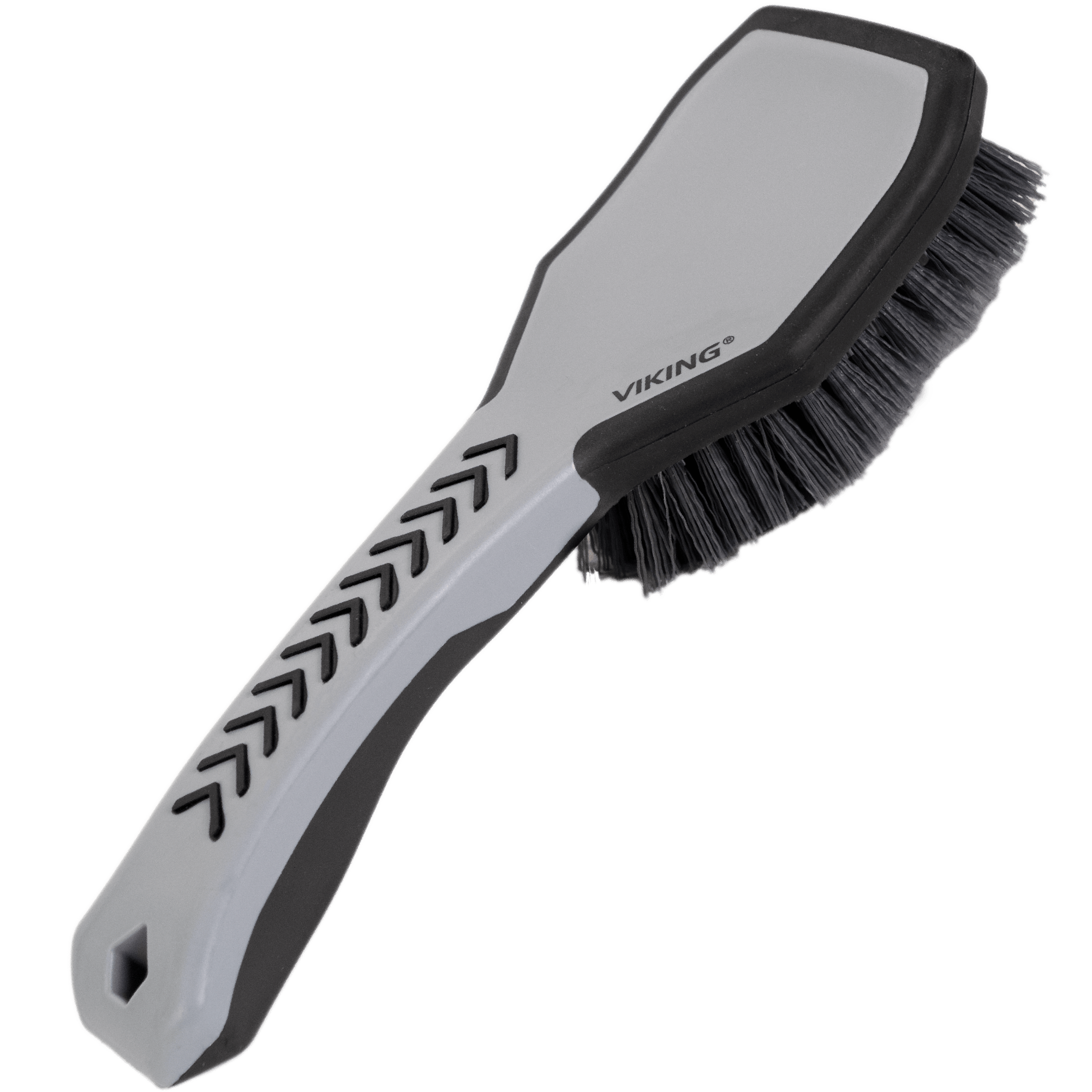
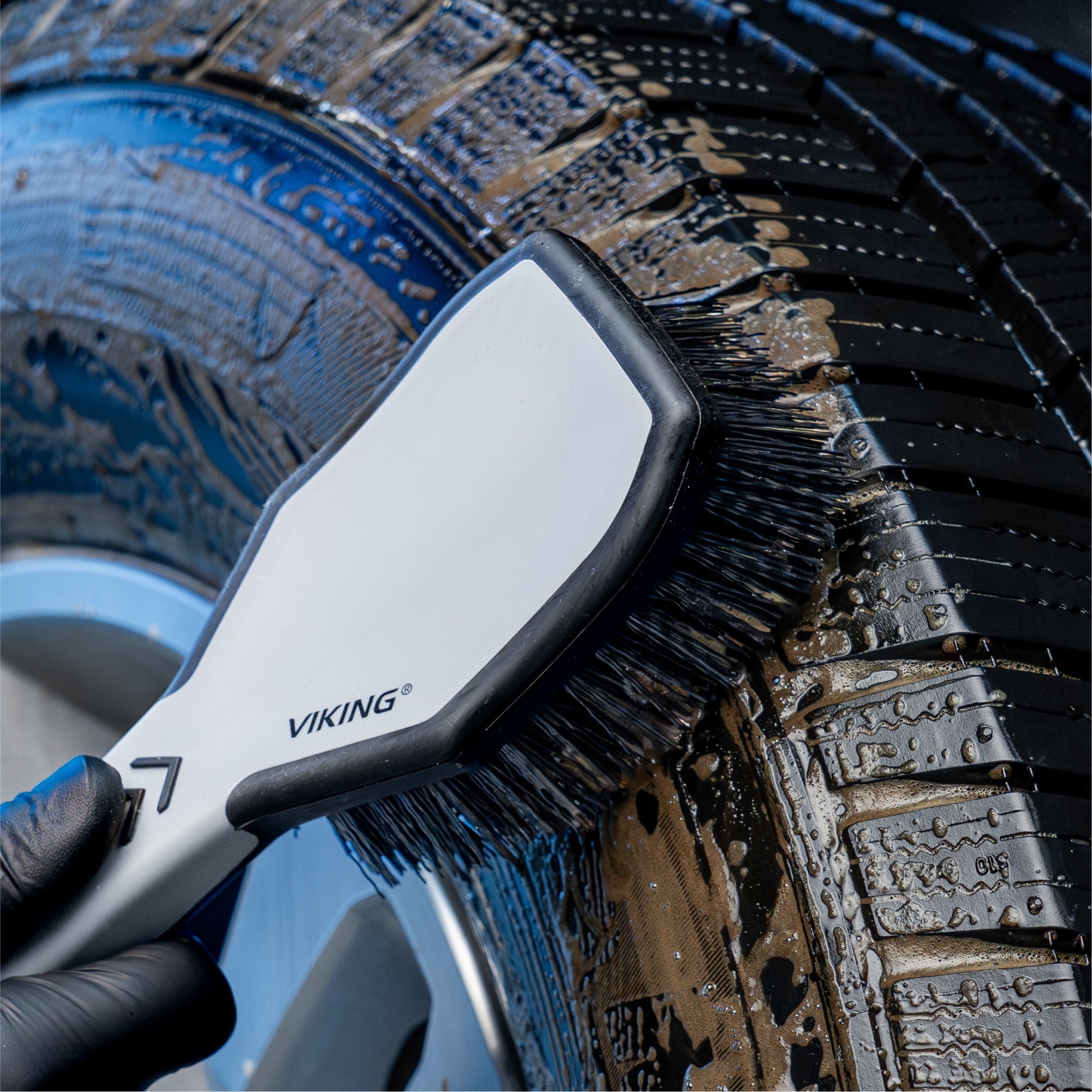
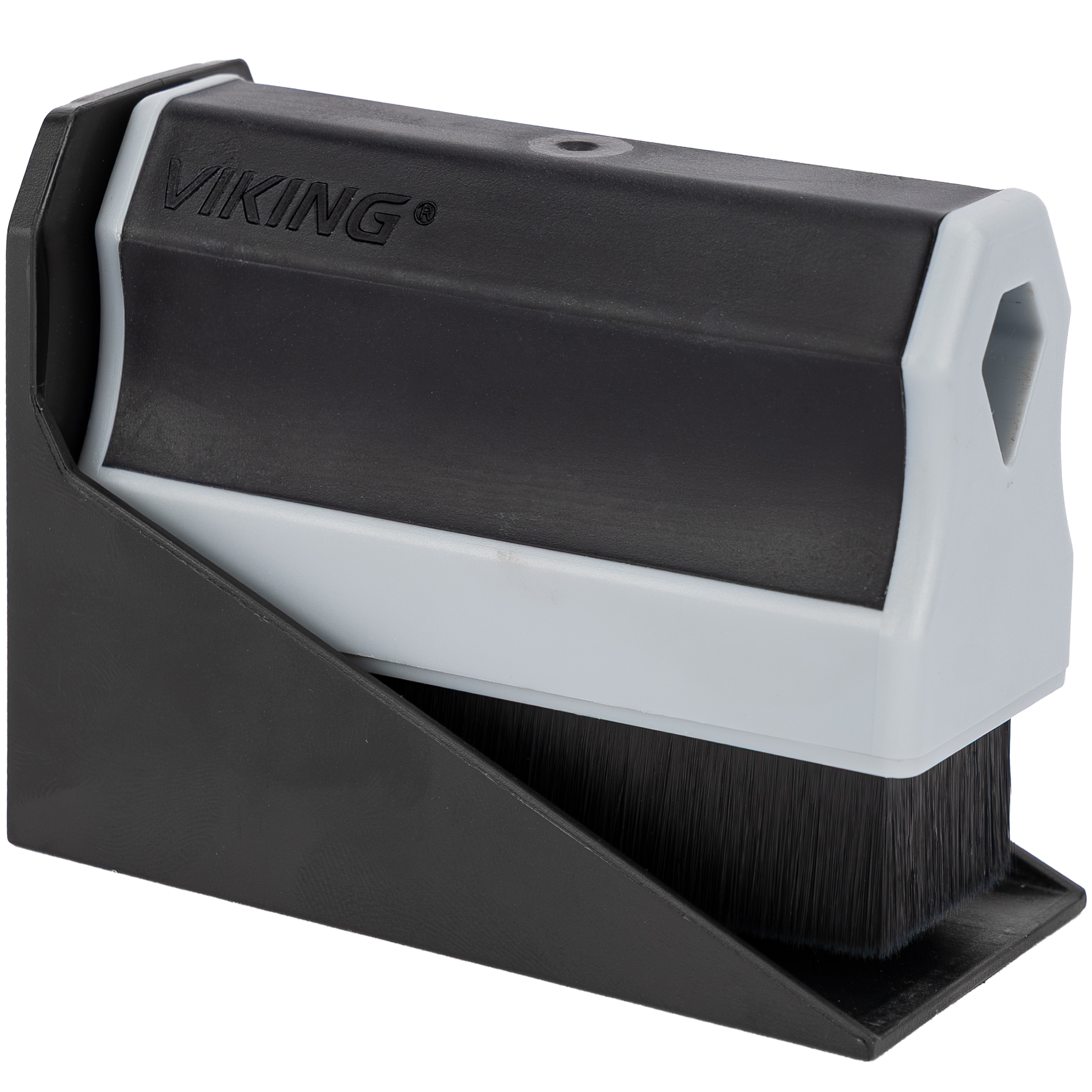
Use a dedicated tire and rubber cleaner paired with a stiff tire brush. Scrub the tire thoroughly, then rinse.
Pro Tip: Clean Until the Rinse Water Runs Clear
Apply your tire cleaner, scrub thoroughly, and rinse. If it’s been a while since your tires were last deep-cleaned, it’s best practice to repeat the process to fully remove embedded contaminants.
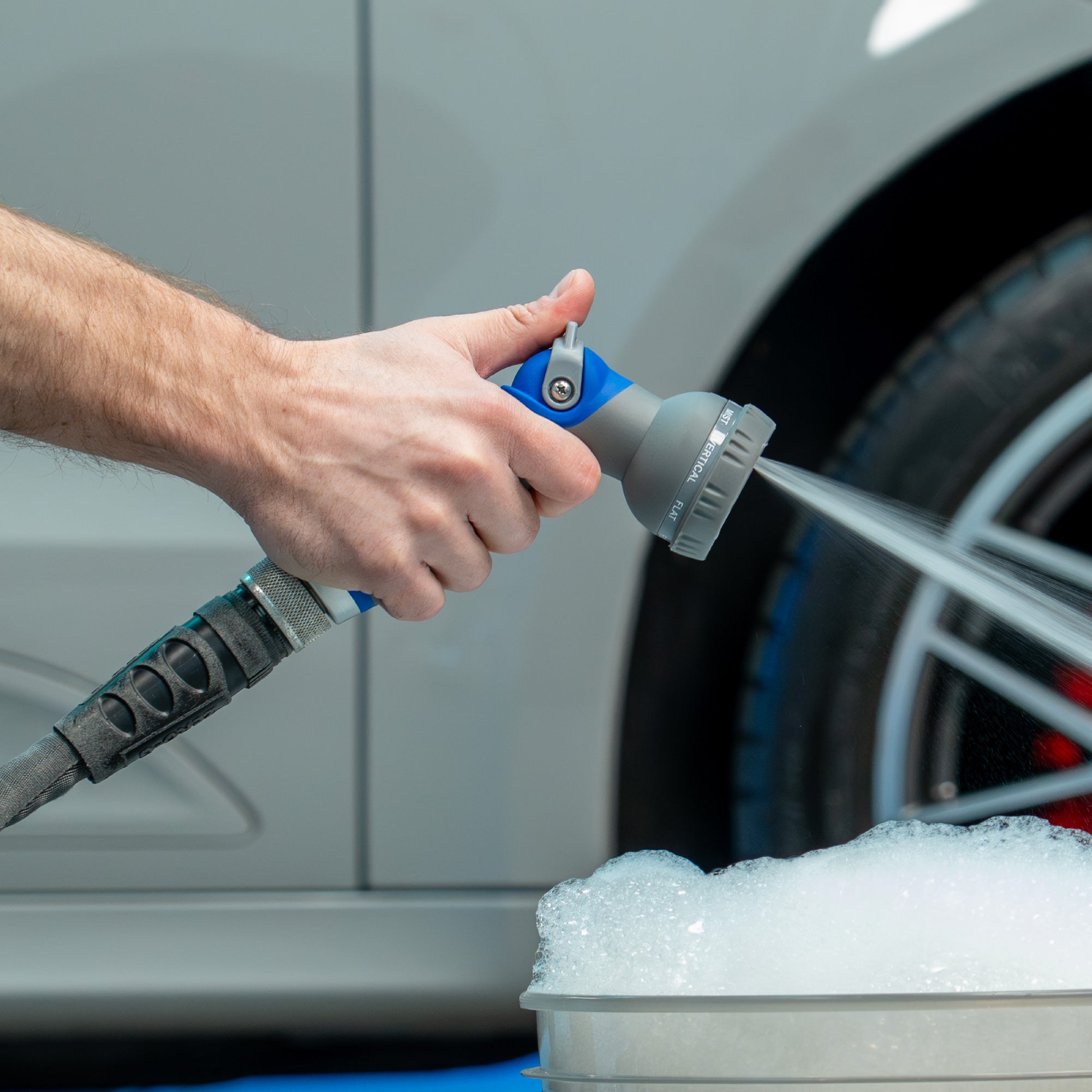
You’ll know the tire is properly cleaned when the rinse water runs clear. If you still see brown residue, continue scrubbing and rinsing until it’s gone—this is your visual cue the rubber is truly clean and ready for protection.

Step 2: Let Tires Dry Completely
Once the tire is fully cleaned, allow it to dry completely before applying any protectant. Applying tire shine to wet or dirty rubber prevents proper bonding and dramatically shortens how long the finish lasts.
Clean, dry rubber is essential for long lasting tire protection.

Step 3: Apply Tire Protection the Right Way
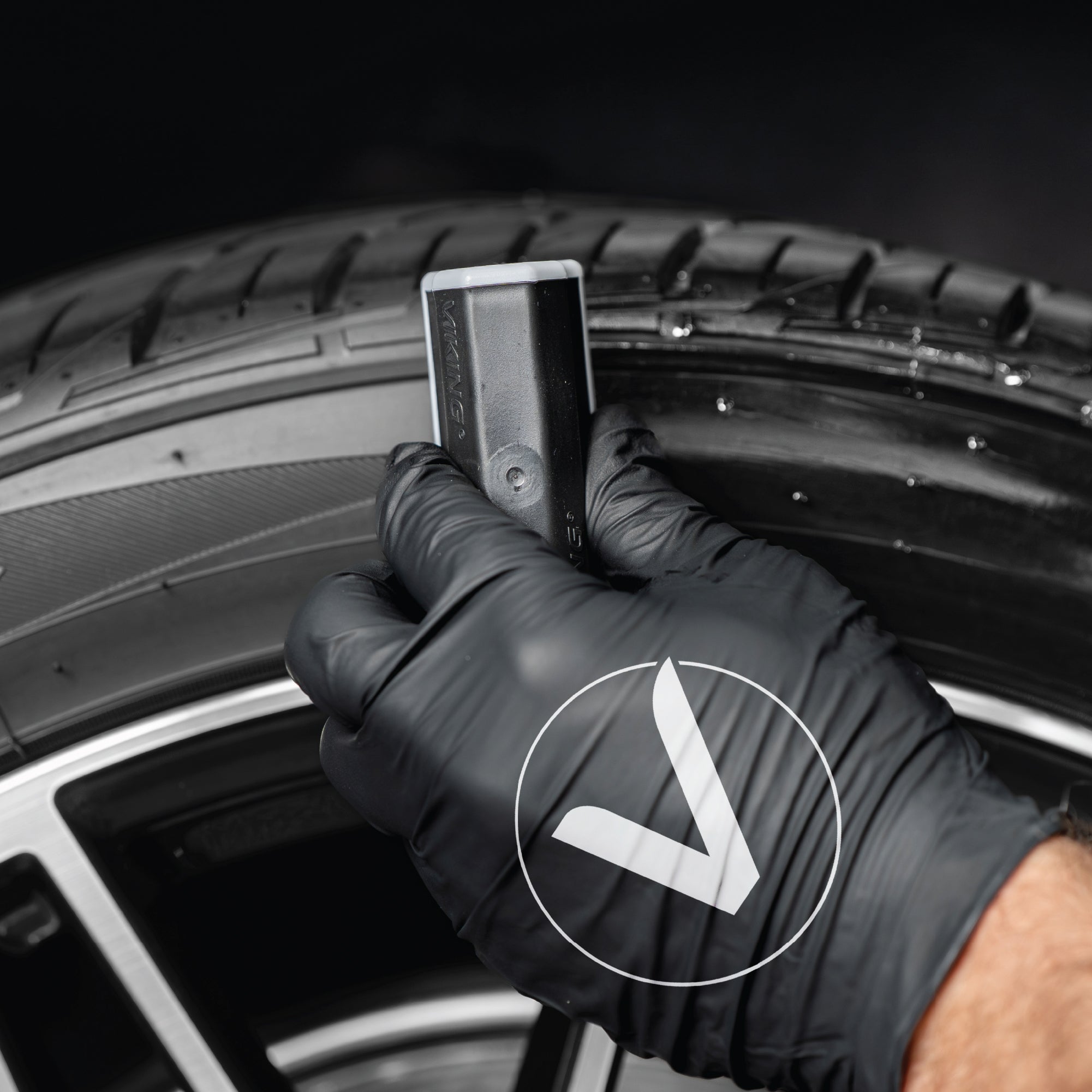
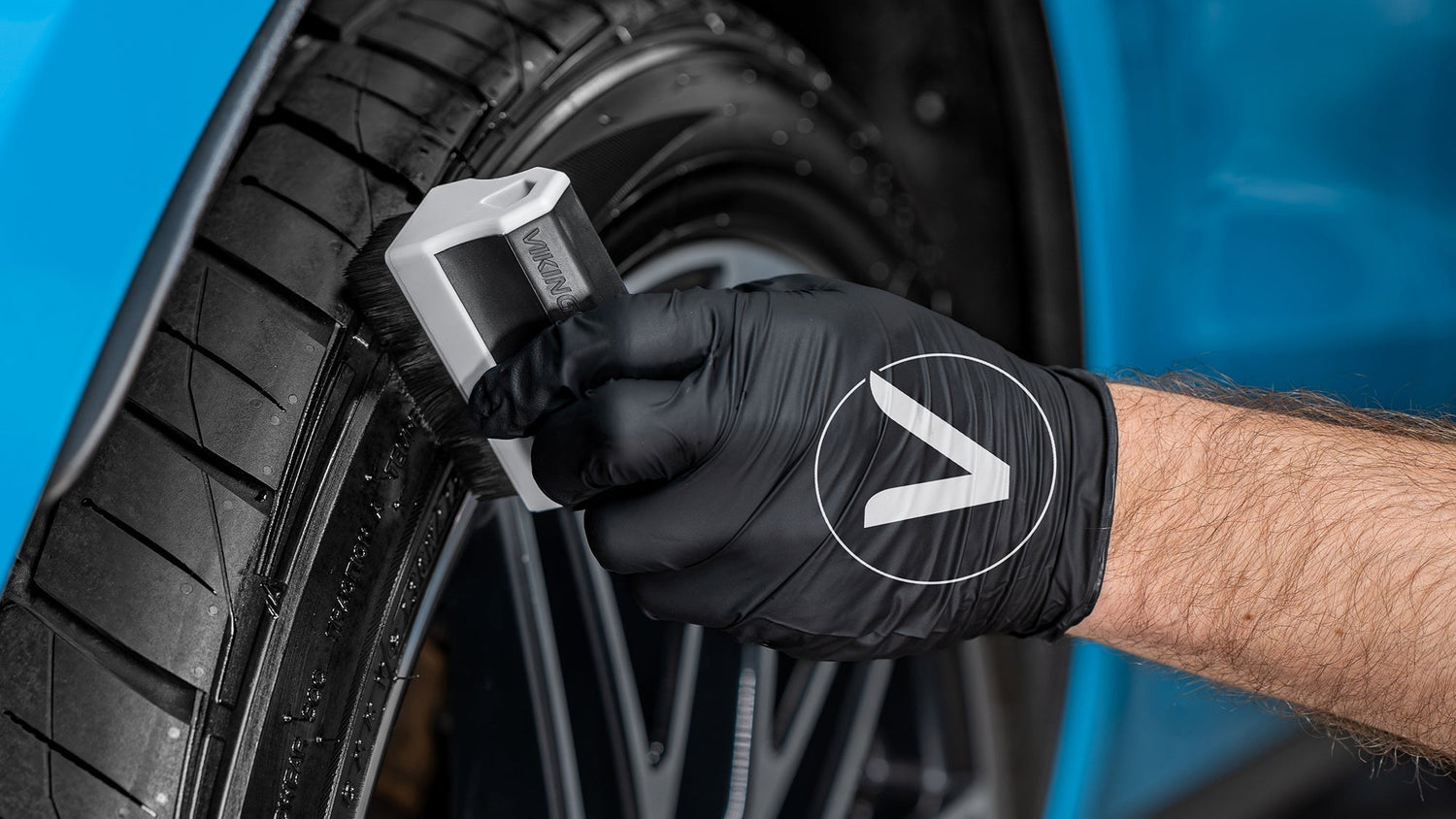
After cleaning and drying, apply a tire protectant using an applicator brush for even, controlled coverage. There are many tire shine options available, including aerosols, gels, and liquid formulas. Each offers a different look:
- High gloss, wet shine
- Clean, satin finish
- Low sheen, natural appearance
The best tire shine comes down to personal preference, but applying it to clean rubber ensures it bonds better, lasts longer, and helps protect the tire from UV damage.
The Proper Tire Care Process (Recap)
For tires that stay black—not brown—follow this simple process:
- Deep clean with a tire and rubber cleaner
- Scrub and rinse repeatedly until the rinse water runs clear
- Allow tires to dry completely
- Apply tire protection evenly
This is the difference between tires that look good for a day—and tires that stay looking good.

Clean Tires Complete the Look
Tire care is one of the most overlooked steps in car detailing, but it has one of the biggest visual impacts. Properly cleaned and protected tires frame the vehicle, enhance curb appeal, and give your car that finished, professional look every time you drive.
If you’re serious about detailing, tire care isn’t optional—it’s essential.